
Challenges
The Challenges
Earth’s water is mostly saltwater with less than 1% available freshwater. This water falls on our lands, flows through our rivers, fills our lakes and wetlands, and exists beneath our feet in soil and rock fissures. This water supports all life. As humans, we rely on it for drinking, food production and energy, and as passage for transport and trade..
Despite its scarcity and our dependency on it, we fail to treat water with respect, as shown by the poor state of Britain’s rivers. For decades, they have been mis-treated by pollution and ignorance.
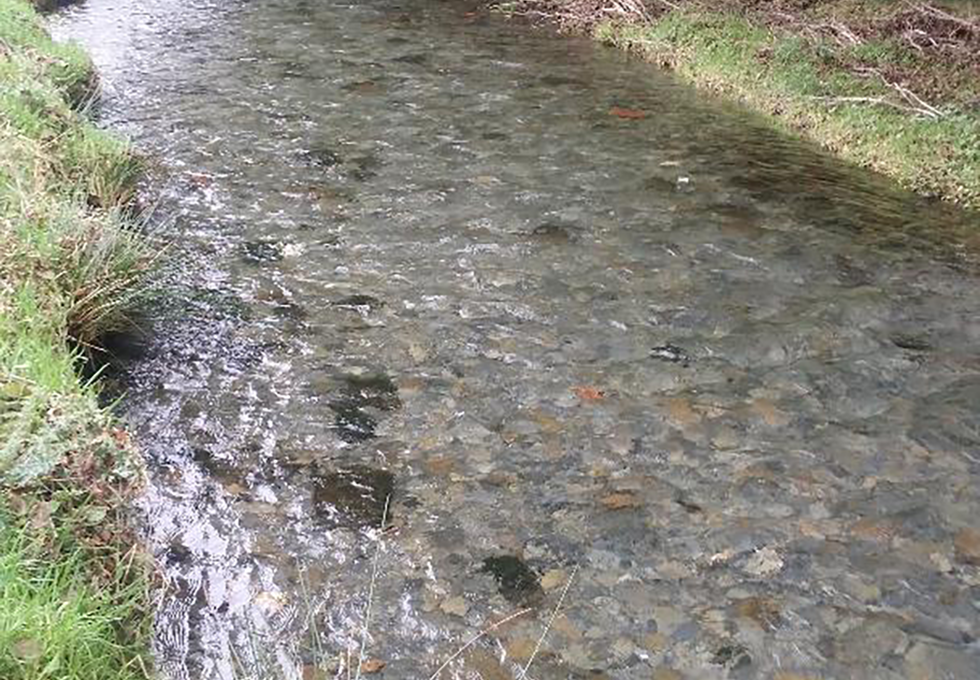
The Dyfi is fortunate in having a supporting group of landowners and organisations such as the New Dovey Fishery to look after its 30 miles of main river and 300 miles of tributaries. We want to maintain the River in its “good” ecological condition, aiming for “excellent”.
Habitat loss
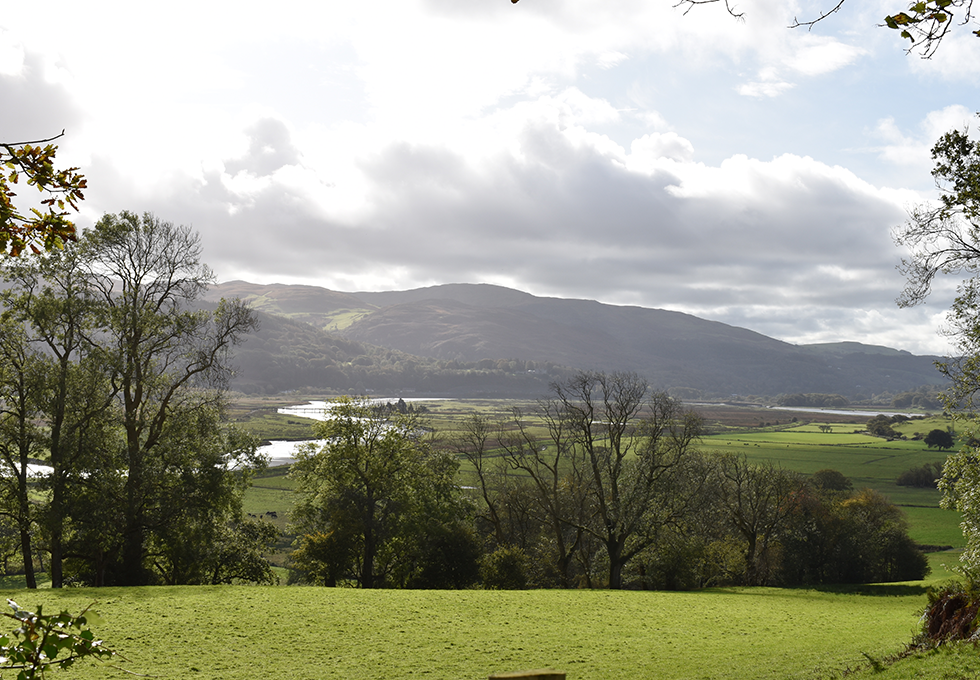
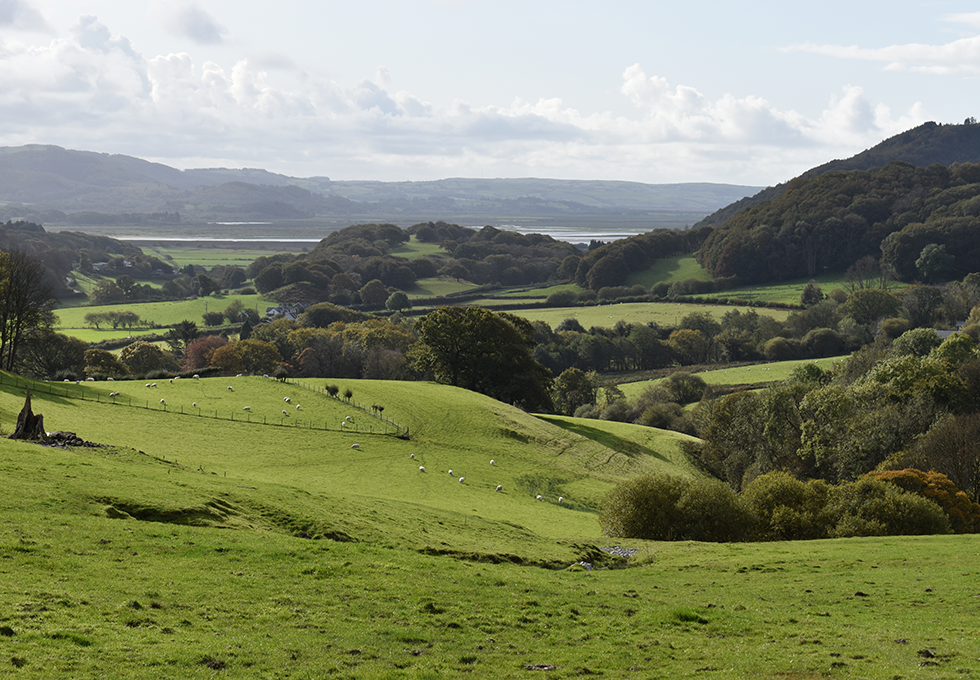
We have a great many wild places and spaces throughout the Dyfi basin. The flood plain and river channels are home to many of these; supporting scare habitats and species from wildflower meadows, to ancient Celtic rainforests. The ribbon (riparian zone) of habitat associated with rivers plays an important role in preserving them by keeping waters cool, acting as a buffer to pollutants and helping to prevent soil erosion.
We have in Wales environmental regulations but habitat loss remains widespread. Decline in management practices, poor agricultural practices by a few farmers and housing, industry and infrastructure are all contributors to the loss of our precious river and floodplain habitats.
Pollution
Soil erosion caused in greater amounts by climate change events, such as the more intense rainfall we are seeing, can negatively impact the river and the life within it.
In residential areas including small villages, towns and cities, raw sewage effluent routinely discharges into the catchment from our outdated sewage system. This is under increasing strain due to growing demand and worsening weather events. We are working with Welsh water to improve the system.
River obstacles
River obstacles are any feature in the river that prevents easy access to fish and other river wildlife. Here in the Dyfi, structures such as culverts (pipes) or fallen river banks or timber can be the main obstacles, posing a significant barrier to our fish species.
Fish species including the enigmatic Atlantic salmon and the Sea Trout (known locally as “sewin”) make epic migrations to reach freshwater habitats, only to find them completely cut off. Fish can be exhausted, injured or killed as they can’t get over these barriers. River obstacles are shown to be a major factor in the increasing decline in fish populations including European eel, shad and lamprey.

Biodiversity
Our members and supporting organisations frequently monitor of the river. The tree-lined banks of alder and sessile oaks support wildlife but also provide refuge for species in the river itself with sources of food and shade.

Species
A number of globally-important designated areas make up our landscape including an Area of Special Conservation, UNESCO biosphere, Sites of Special Scientific Interest and a nature reserve run by the RSPB.

Climate
Climate change is impacting not only our wildlife but also our communities. Increasing temperatures mean that the waters can heat up to the point that oxygen levels reduce or algae form so threatening species’ long-term survival.
BE A FRIEND
Why not join us on our journey? It is easy to be a Dyfi Friend by donating to our funds to enable development of key projects to support our incredible river network. A regular or one-time donation will help us carry out meaningful actions to protect our unique asset. You can have your name added to our list of donors or remain anonymous.